The Definitive Guide for Permian Basin Pipeline Construction
Table of ContentsFacts About Permian Basin Pipeline Construction UncoveredPermian Basin Pipeline Construction for BeginnersFacts About Permian Basin Pipeline Construction RevealedThe Ultimate Guide To Permian Basin Pipeline ConstructionFacts About Permian Basin Pipeline Construction UncoveredThe Basic Principles Of Permian Basin Pipeline Construction The Best Strategy To Use For Permian Basin Pipeline Construction
Cured-in-place pipeline (CIPP) is a trenchless technology utilized to mount water, sewage system, and other pipelines without calling for significant excavation or intrusive digging. The process begins by putting a lining into the existing pipework, which is then full of material that sets to form a long-term pipe within the existing pipeline.At MaxLiner United States, we recognize the benefits of using CIPP, which include its affordability, rate, and marginal disturbance throughout setup. This makes it an optimal choice for contractors, plumbings, companies, and districts aiming to minimize downtime while installing brand-new pipelines. Among the main benefits of CIPP is its cost financial savings on labor and tools, resulting in an extra economical solution than typical pipeline substitute methods.

Instead, a lining is placed right into the damaged pipe and treated in position with warmth, developing a smooth repair service that supplies long-term defense versus root infiltration, deterioration, opening damages, and various other usual problems with existing pipes. Not just does this strategy remove the demand for substantial digging, but it additionally eliminates the possible risks related to harmful waste removal.
Some Known Details About Permian Basin Pipeline Construction
Expenses have a tendency to be reduced than replacing whole sizes of piping with open-cut installments also when factoring in the price of lining materials. Because of its reduced ecological impact and expense savings possible, cured-in-place pipe installment is ending up being progressively popular as a choice to typical fixing job in various markets.
When it comes to cured-in-place pipeline (CIPP) installation, numerous benefits come from its marginal time and price. Primarily, CIPP installments can be established up in a fraction of the moment it would take for typical pipe substitute since no excavation is required - Permian Basin Pipeline Construction. Instead of digging right into the bordering soil and getting rid of existing pipelines, CIPP utilizes advanced trenchless modern technology to install resin linings or polyester fiber tubes inside existing pipelines
About Permian Basin Pipeline Construction
This aids to lessen downtime and maintain your task on course, leading to time cost savings that would not have actually been possible with typical pipeline replacement systems. Whether getting rid of smaller sized areas of piping or performing total relining tasks, this approach has particular benefits when it concerns expenditure. Not just is equipment rental removed since no excavation is required, but so are site reconstruction costs since a marginal surface fixing may be called for after installment.
Therefore, with marginal time and price needed for installment, cured-in-place pipeline setup is a great option for reducing labor prices without giving up top quality job. As we'll go over in the adhering to section, this sort of installment uses enormous benefits when it comes to minimizing disturbance official website around homes and businesses.
Getting My Permian Basin Pipeline Construction To Work
This trenchless setup is a lot easier to execute than typical pipeline laying. As the name implies, most excavation and related site prep work is avoided because the new pipelines are fed with existing channels. This makes it feasible to install underground pipes in a portion of the moment required for the extra standard excavating approach, which can develop unnecessary disruption to the atmosphere, regional roads, pathways, surrounding homeowner, etc.
In some cases, it may take a little bit of digging if these access factors are not already installed in existing upkeep holes or catch containers. The result ought to still be less disruptive than digging deep into lengthy trenches, however something to think about before dedicating to this installation (Permian Basin Pipeline Construction). On the whole, cured-in-place pipeline installment is sensible when very little disruption is preferred given that most of the below ground facilities stays intact while providing renewed toughness and dependability to existing pipelines
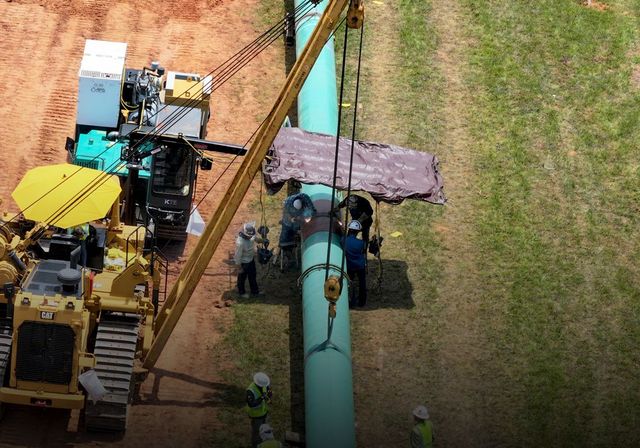

The cured-in-place installation procedure begins with inspecting the pipeline in concern to establish whether any kind of damage is present or requires substitute. Later, if essential, cleaning must take place inside the pipe to ensure that all product build-up is eliminated and all surface areas are smooth and uncontaminated before lining setup. As soon as these actions are finished, a special resin-coated really felt or hybrid felt and fiberglass material Full Article is placed right into the pipe and evenly dispersed along its size.
The Permian Basin Pipeline Construction Ideas
Treating (either ambient, heated water or air, or UV) is introduced into the tube when the lining installation is full, treating and forming the resin fabric around the old pipe's shape. It ought to be noted that extreme stress ought to be avoided whatsoever prices due to the fact that it can create more damages to the system.
This detailed section about the 'Cured-In-Place Installation Process' has actually described its step-by-step procedure. By recognizing what enters into this procedure and its troubles, we can appreciate how valuable it can be for lots of piping fixings - Permian Basin Pipeline Construction. Now let us move on to explore what kinds of products are utilized in this procedure in our next area
Permian Basin Pipeline Construction - The Facts
The suitable material can considerably impact the job, consisting of cost-effectiveness, resilience, efficiency, and performance. Polymer linings are usually chosen for CIPP because they are very durable and resistant to corrosion and damage. They can also last anywhere from 10 to 30 years, relying on the high quality of the materials made use of.
It is typically simpler, much less disruptive, and much more cost-effective than standard repair work. One of the main advantages of CIPP pipe installation contrasted to the traditional technique of eliminating and changing any type of broken pipe areas with new material is that CIPP pipe does not need digging or excavating the bordering areas.
This minimizes the time our website and labor needed for complicated reconstruction tasks. Ultimately, CIPP products are thinner than sections of the new pipeline, so they need extremely little room while providing superior durability and resilience contrasted to various other methods of fixing damaged pipes. While CIPP installment provides some unique advantages over standard methods of repairing pipes, it can have specific constraints depending on which sort of certain situation requires it.
Everything about Permian Basin Pipeline Construction
In general, CIPP pipeline installation provides numerous benefits when it concerns saving time, money, and initiative during pipeline repair work jobs. These advantages make it an eye-catching alternative for those trying to find fast yet trusted means to attend to broken pipes in your home or in business settings. In the complying with area, we will talk about a review of cured-in-place pipeline installment in better information to give you an also better understanding of its many advantages.
Comments on “How Permian Basin Pipeline Construction can Save You Time, Stress, and Money.”